

Fieldhouse Lane Wildlife Friendly Corridor Development
Part of Fieldhouse Lane has been transformed into a wildlife friendly corridor as part of the Globe Business Park BID’s commitment to improving the environment for staff, visitors and wildlife.
This area has been enriched to provide a habitat for pollinators and an attractive landmark feature for people.
The importance of pollination
Pollination is the process of plant fertilisation, where pollen is transferred from one plant to another. Without pollination plants cannot reproduce, and no flowers or fruit will grow. Most flowering plants produce nectar to attract pollinators, who in return collect pollen and carry it to other plants as they move from flower to flower. In the UK the majority of pollination is done by insects such as bees, wasps, butterflies, moths, flower-visiting flies (e.g. hover flies) and beetles. Birds, mammals and even humans brushing against flowers can be pollinators – but please don’t disturb the flowers here!
Having a species-rich community of pollinators is essential to keep ecosystems healthy and resilient.
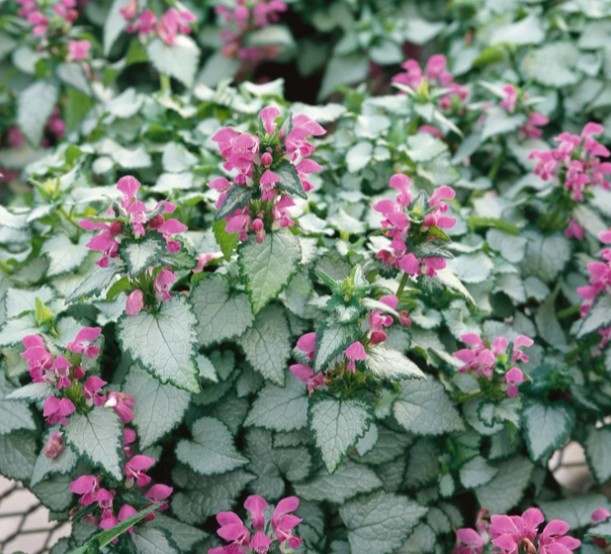
The new features in Fieldhouse Lane have been carefully selected to attract pollinators and enhance biodiversity:
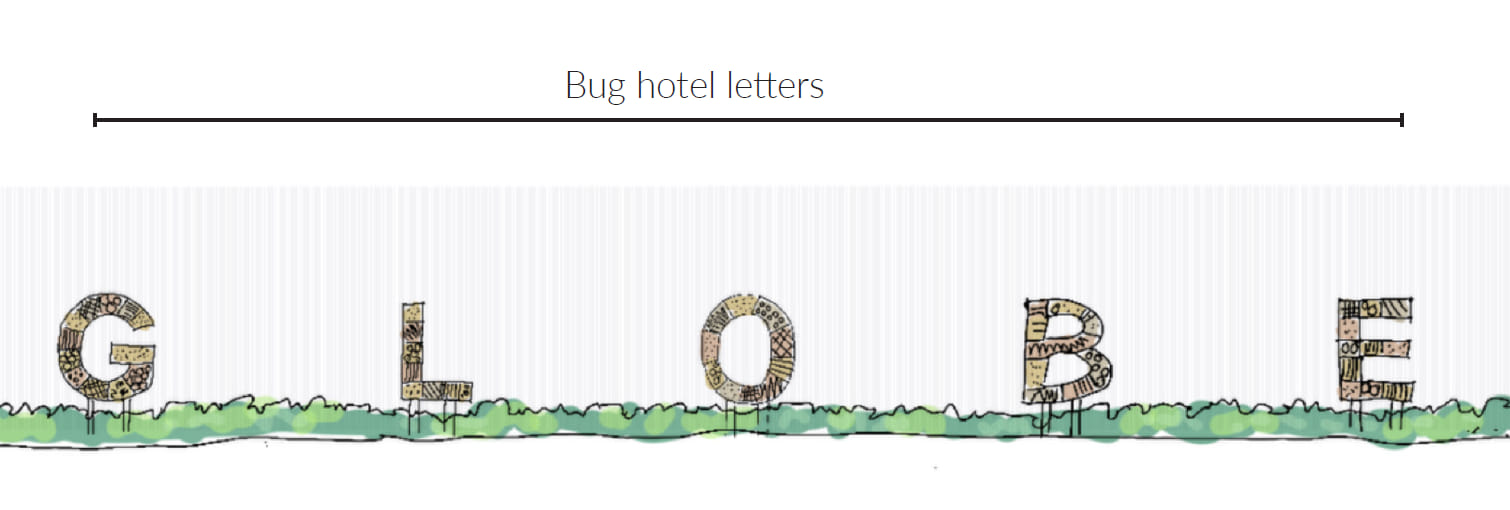
GLOBE Bug Hotel letters and Habitat Posts
As well as being a striking feature within the Business Park, these letters provide vital places for insects, such as solitary bees, woodlice and ladybirds to nest and shelter. The larger boxes offer nesting opportunities for small birds.
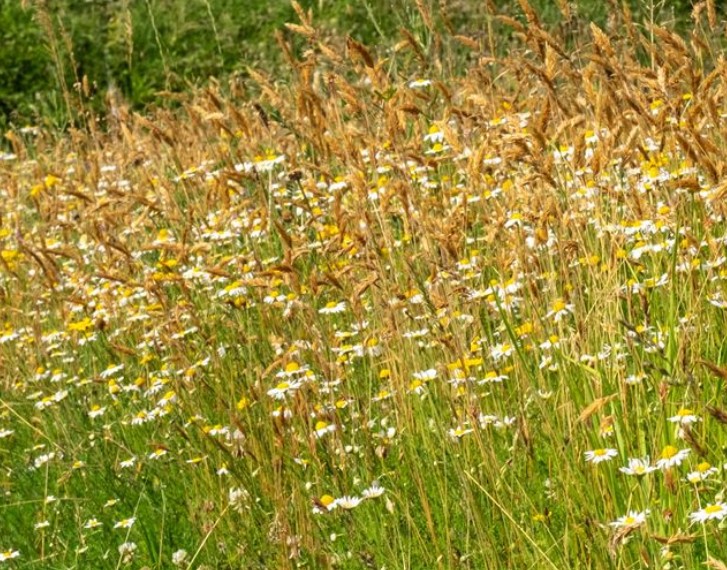
Species-rich Meadow
The verge is planted with a species-rich meadow turf. Unlike a traditional mown lawn, this contains many different species of grasses and wildflowers, making it more resilient to changing weather conditions, less vulnerable to disease and more likely to attract a great variety of pollinators. This will be mown a few times per year to allow the flowers and grass to grow long and set seed. These seeds are needed to keep the diversity of species. The seeds are also an important food-source for birds. Some people might think this looks messy but when you understand its importance, diversity is beautiful.
This area was designed by Groundwork London.
Letters and posts built by Hyde Habitats.
Planting and landscape maintenance by Groundwork’s Green Team
Contact
Gemma Hughes BID Manager
P: 07850 310 592
E: gemma.hughes@groundwork.org.uk
Elizabeth Bennett BID Project Officer
P: 07742 875772
E: Elizabeth.bennett@groundwork.org.uk
